



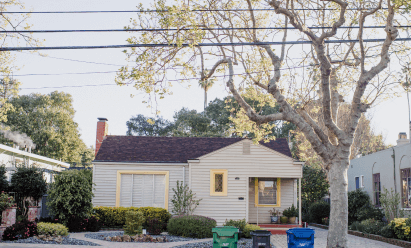





A duplex two blocks from a growing downtown, a condo near a hospital campus, a single-family home in a strong school zone – investment property opportunities South Florida rarely look the same from one neighborhood to the next. That is exactly why this market attracts so much attention. The upside can be real, but so is the need for careful local judgment.
South Florida appeals to investors for reasons that go beyond sunshine and headlines. People keep moving here for work, lifestyle, tax advantages, retirement, and family needs. That creates demand across different price points and property types. For buyers who want both income potential and long-term value, the region offers a wide range of options, but the best fit depends on your goals, timeline, and tolerance for hands-on management.
Where investment property opportunities in South Florida stand out
Not every investor is chasing the same outcome. Some want steady monthly cash flow. Others are comfortable with thinner short-term returns if the property sits in an area with stronger long-term appreciation. In South Florida, both approaches can work, but usually not on the same property.
Palm Beach County often draws buyers looking for a blend of established neighborhoods, rental demand, and broader price variety. Depending on the city and property condition, investors may find opportunities in condos, townhomes, and single-family homes that appeal to professionals, families, and seasonal residents. Broward County tends to offer dense rental demand and strong commuter appeal, especially near employment centers, transportation corridors, and coastal amenities. On the Treasure Coast, including St. Lucie, Martin, and Indian River counties, some investors see better entry points and room for growth, especially if they are priced out farther south.
This is where local strategy matters. A property that looks expensive on paper may perform well if it sits in a neighborhood with low vacancy, strong tenant retention, and limited supply. On the other hand, a lower-priced listing can become costly if insurance, HOA restrictions, deferred maintenance, or weak rental demand cut into returns.
The best property types for different investor goals
Single-family homes remain a favorite for many buyers because they tend to attract longer-term tenants, especially families who value yard space, privacy, and school access. These homes can offer more stable occupancy, but they also often come with higher purchase prices and maintenance responsibility. If your goal is lower turnover and broader resale appeal later, this category deserves a close look.
Condos can be attractive for buyers who want a lower entry price or a property in a high-demand location. They may work well near beaches, downtown districts, medical centers, and business hubs. The trade-off is that condo associations can affect your flexibility. Rental caps, approval rules, special assessments, and monthly fees all change the math. A condo that looks affordable at first glance may not be the better investment once those costs are fully understood.
Townhomes often sit in the middle. They can offer more space than a condo with less exterior maintenance than a detached house. In some communities, they attract both families and young professionals, which can widen your tenant pool. For buyers who want a practical balance between affordability and livability, townhomes are worth serious attention.
Small multifamily properties, where available, can create stronger income potential because the risk is spread across more than one unit. If one tenant moves out, the property does not immediately go to zero income. Still, these properties are usually more management-intensive and may face heavier competition from experienced investors.
What drives rental demand in this market
South Florida is not one rental market. It is a collection of micro-markets shaped by jobs, transportation, schools, lifestyle, and housing affordability. That means a smart investor looks at who the likely renter is before looking at projected rent alone.
Near employment centers, practical housing often performs well because tenants want commute-friendly locations over flashy features. Around hospitals and medical corridors, clean, well-maintained units with reliable parking can stay in demand. In family-oriented suburban areas, homes with functional layouts and access to parks or strong school zones may attract longer leases. In coastal and seasonal pockets, demand may be stronger but more sensitive to regulation, HOA rules, and pricing swings.
This is one reason broad market averages can be misleading. A neighborhood with growing rent trends may still have streets or buildings that underperform because the product does not match local demand. Good investing here starts with real neighborhood-level analysis, not just county-level optimism.
How to evaluate investment property opportunities South Florida buyers often miss
First, look beyond the list price. Insurance costs in Florida can materially affect monthly returns, and those numbers vary based on age, location, roof condition, flood exposure, and construction type. Taxes and association fees matter too, but insurance is often where newer investors get surprised.
Second, study the rules attached to the property. Short-term rental appeal may sound exciting, but city regulations, licensing requirements, and HOA bylaws can limit what you are allowed to do. Even long-term rentals may require association approval. If your strategy depends on flexibility, verify that before you get attached to a property.
Third, estimate maintenance honestly. South Florida properties deal with heat, humidity, storms, salt air in coastal areas, and aging systems that can become expensive quickly. A property with cosmetic charm but an older roof, outdated electrical work, or deferred exterior upkeep may need more capital than expected.
Fourth, pay attention to tenant profile and turnover risk. Higher rent is not always better if it narrows your renter pool too much. Sometimes the stronger investment is the property that rents consistently at a fair rate, not the one that looks best in a spreadsheet with perfect assumptions.
Appreciation versus cash flow: choosing your lane
Some investors come into South Florida expecting both strong monthly cash flow and rapid appreciation. That can happen, but it is not the default. More often, you are choosing emphasis.
If cash flow matters most, you may find better numbers in areas with lower purchase prices and stable rental demand, even if appreciation is more modest. If long-term value growth is the goal, you may accept tighter monthly margins in stronger-location properties with broader resale demand. Neither approach is wrong. The right answer depends on whether you want current income, future equity growth, or a mix of both.
This is also where financing changes the picture. Interest rates, down payment size, reserves, and loan terms all affect whether a property works as an investment. A property that makes sense as a cash purchase may feel too thin when financed. Buyers should run multiple scenarios before deciding what counts as a good deal.
Why local guidance matters more here than in simpler markets
South Florida offers real opportunity, but it asks more questions from investors than a simpler, slower-moving market. You need to think about insurance exposure, community restrictions, seasonal patterns, tenant demand, and neighborhood change all at once. That is a lot to sort through if you are relying only on listing photos and surface-level market data.
A trusted local real estate partner can help narrow the search based on your actual objective, whether that is a first rental, a move-up investment, or a property that could serve as both an income asset and a future personal residence. That kind of support matters because the right purchase is rarely just the cheapest one or the one with the highest advertised rent.
For many buyers, the most promising opportunities are the homes that sit in the overlap between livability, durable demand, and manageable ownership costs. That may mean a family-ready house in a steady neighborhood, a townhome near growing employment, or a condo in a location with year-round renter interest and clear association rules. Firms like Viva Nest Homes understand that the search is not only about inventory. It is about matching the property to the plan.
If you are seriously considering South Florida as an investment market, start with clarity. Know your budget, your hold period, your income expectations, and how involved you want to be after closing. The better those answers are, the easier it becomes to spot the opportunities that fit and walk away from the ones that only look good at first glance.
The best investment property is not the one everyone is talking about. It is the one that still makes sense after the numbers, the neighborhood, and the fine print are all on the table.
0 Comments