







If you are torn between a lock-and-leave condo and a house with a yard, you are not alone. The condo vs single family home decision is one of the biggest forks in the road for buyers, especially first-time buyers, growing families, and professionals relocating for work. Both can be great choices. The right one depends less on what sounds better on paper and more on how you want to live day to day.
Some buyers start with square footage or price. Those matter, of course, but they rarely tell the whole story. A condo may offer a lower purchase price in a desirable area, while a single family home may give you more privacy, more control, and more room to grow. The better fit comes from looking at the full picture – lifestyle, monthly costs, future plans, and the kind of responsibilities you actually want.
Condo vs single family home: the core difference
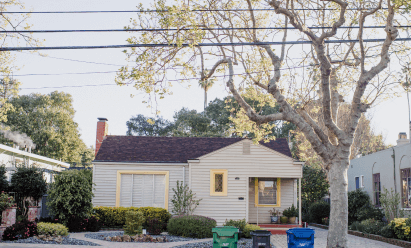
At the simplest level, a condo means you own your individual unit and share ownership of common spaces with other residents. A single family home means you own the structure and the land it sits on. That difference shapes almost everything else.
With a condo, exterior maintenance, landscaping, and shared amenities are usually managed by a homeowners association. With a house, those tasks generally fall to you. That can feel freeing or frustrating, depending on your schedule, budget, and personality.
This is why the condo vs single family home question is really about more than property type. It is also about convenience versus control, shared rules versus independence, and predictable maintenance fees versus more variable home upkeep.
How your lifestyle should drive the decision
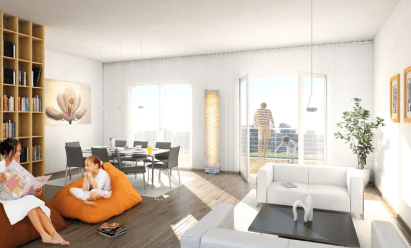
A condo can be a smart fit if you travel often, work long hours, or simply do not want to spend weekends handling yard work and exterior repairs. Many buyers also like the built-in sense of community, security features, and access to amenities such as pools, fitness centers, or gated entry.
A single family home often appeals to buyers who want more breathing room. Families with children may value a private yard, extra bedrooms, or a quieter setup without shared walls. Pet owners may also prefer the flexibility of a house, especially if they want outdoor space without relying on community rules.
Neither option is automatically better. A buyer who loves low-maintenance living may feel burdened by a house. A buyer who values privacy and freedom may quickly feel restricted in a condo community.
Monthly costs are not always what they seem
One of the most common mistakes buyers make is comparing only the listing price. The real monthly cost can look very different once you factor in association fees, insurance, taxes, utilities, and maintenance.
Condos often come with HOA fees, and in some communities those fees can be significant. In return, they may cover exterior maintenance, building insurance for common areas, amenities, landscaping, and sometimes even water or trash service. That can make budgeting easier, but it also means you need to understand exactly what you are paying for.
A single family home may not have HOA fees, or the fees may be much lower, but that does not mean the monthly cost is automatically lower. Roof repairs, lawn care, pest control, exterior painting, and larger utility bills can add up over time. Houses tend to offer more independence, but that independence comes with more direct financial responsibility.
For buyers in South Florida and other higher-demand markets, this becomes especially important. Insurance, flood exposure, storm-related upkeep, and community assessments can all affect the long-term cost of ownership in ways that are easy to underestimate at first glance.
Privacy, noise, and personal space
This is one of the least glamorous parts of the decision, but it matters. Condos usually mean shared walls, shared parking, shared entrances, and shared amenities. Some communities are quiet and well-managed. Others feel crowded or noisy, especially during busy seasons.
A single family home usually gives you more separation from neighbors and more control over your environment. You may have a driveway, a backyard, and no one living above or below you. For many buyers, that added privacy is not a luxury. It is a major quality-of-life factor.
Still, more space is not always better for every household. If you are downsizing or want a simpler setup, a condo may feel more efficient and easier to enjoy.
Rules, restrictions, and freedom to customize
Before buying a condo, it is important to understand the association rules. These may cover pets, rentals, renovations, parking, balcony use, and even holiday decorations. For some buyers, those rules help protect property values and keep the community looking its best. For others, they feel limiting.
A single family home usually gives you more freedom to renovate, landscape, and use the property the way you want, although local zoning and neighborhood associations may still apply. If you want to add a fence, build a patio, create a home office addition, or simply avoid asking permission for exterior changes, a house often offers more flexibility.
This is one of those areas where personality matters. Some buyers want structure. Others want autonomy. It is better to be honest about which type you are before you buy.
Maintenance: convenience versus responsibility
The maintenance conversation often sounds simple, but it deserves a closer look. A condo can reduce the number of hands-on responsibilities you deal with regularly. That is a real advantage for busy professionals, seasonal residents, and buyers who prefer predictable support.
But reduced maintenance does not mean no maintenance. You are still responsible for your own interior systems and repairs, and you are also financially tied to the condition of the building as a whole. If the association faces major repairs, owners may be responsible for special assessments.
With a single family home, you control the maintenance timeline and standards. You can choose your contractors, your materials, and your priorities. The trade-off is that every repair is your responsibility, whether it happens on a convenient weekend or during a heavy storm season.
Resale value and long-term plans
When comparing condo vs single family home, resale potential should be part of the conversation, especially if you may move again within five to seven years. In many markets, single family homes attract a broader pool of buyers because they appeal to families, move-up buyers, and buyers seeking more privacy.
Condos can still offer strong resale value, particularly in desirable urban or coastal locations, but they may be more sensitive to HOA health, building condition, financing restrictions, and the number of similar units competing for attention. A beautiful unit in a poorly managed building can become harder to sell than many buyers expect.
That said, resale is not just about the property type. It is about condition, location, community reputation, and whether the home matches local buyer demand. A well-positioned condo can outperform a less desirable house, and a house with hidden upkeep issues can lose its appeal quickly.
Who tends to do well with each option?
A condo often makes sense for first-time buyers who want an accessible entry point, professionals who prioritize convenience, retirees who want less day-to-day upkeep, or investors looking in areas with steady rental demand. It can also be a strong fit for buyers who value amenities and location over lot size.
A single family home often works better for growing families, buyers who want room to expand, owners who enjoy customizing their property, and households that expect to stay put for several years. It can also be the better choice for buyers who need storage, parking flexibility, or outdoor living space.
The key is not to buy based on someone else’s version of success. Buy based on how you want your next chapter to feel.
The smartest way to choose between a condo and a house
Start by looking past the photos and asking better questions. How much time do you want to spend on upkeep? How important is privacy? Are you comfortable with community rules? Do you want amenities, or would you rather have a yard? Is your budget stronger with fixed monthly fees or with more independent, less predictable costs?
Then look at your next few years, not just the next few months. If you expect a growing family, frequent travel, remote work, or a possible relocation, those factors should shape your decision as much as the property itself. A home should support your life, not complicate it.
At Viva Nest Homes, we often see buyers gain clarity once they stop asking which option is better and start asking which option fits. That is when the choice becomes less stressful and much more useful.
The right home is the one that makes your everyday life easier, happier, and more sustainable. If you choose with that standard in mind, you are far more likely to feel good about the decision long after closing day.
0 Comments