



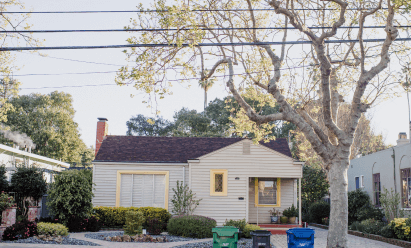





The right family home often looks different on paper than it does in real life. A house can have the square footage, the extra bedroom, and the nice photos, then still feel wrong the moment you imagine your weekday routine inside it. That is why learning how to buy a family home is not just about finding something bigger. It is about choosing a place that works for your budget, your daily life, and the version of your family you expect a few years from now.
For some buyers, that means staying close to work and schools. For others, it means trading commute time for more yard space, a safer-feeling street, or room for grandparents to visit. The smart move is to start with clarity before you start touring homes, because once you fall in love with a kitchen or a backyard, it gets much harder to stay objective.
How to buy a family home starts with your real budget
Most families begin with a monthly payment number, and that is a good instinct. But the purchase price alone never tells the full story. A family home usually brings more ongoing costs than a starter condo or small rental, especially if you are buying in a neighborhood with higher taxes, HOA fees, flood considerations, or older home systems.
Your real budget should account for principal, interest, property taxes, homeowners insurance, utilities, maintenance, and a repair cushion. If you are buying in parts of South Florida, insurance and storm-related factors can change affordability quickly, so it helps to evaluate those costs early instead of treating them like a surprise after you are under contract.
This is also where families need to be honest about lifestyle spending. If you want room in the budget for childcare, travel, sports, summer camps, or saving for college, do not shop at the highest limit a lender approves. Approval tells you what may be possible. It does not tell you what will feel comfortable every month.
Get financing lined up before the search gets emotional
Pre-approval matters for any buyer, but especially for families who may be competing for homes in popular neighborhoods. Sellers take a buyer more seriously when financing is already in place, and your own search becomes much more focused when you know your range.
It also helps you compare loan options with a clear head. A lower down payment can preserve savings for moving costs and repairs, but it may increase your monthly payment. A higher down payment can reduce long-term borrowing costs, but it should not drain the emergency fund your family may need after closing. There is no single right answer. The better choice depends on income stability, savings, and how much flexibility you want once you move in.
If you are relocating, self-employed, or using funds from another property sale, start earlier than you think you need to. These situations are manageable, but they often require more documentation and a little more planning.
Know the difference between needs, nice-to-haves, and future plans
A family home should support the life you live now, not just the life you imagine on a perfect weekend. That is why buyers benefit from separating true needs from features that simply look appealing online.
A need might be a first-floor bedroom for a parent, a fenced yard for children or pets, a reasonable drive to work, or enough bedrooms to avoid an immediate move in two years. A nice-to-have might be a pool, a media room, or a large bonus space. None of those are wrong to want, but they should not crowd out what matters most.
Future planning matters too. If your family may grow, if aging relatives may stay with you, or if remote work is likely to remain part of your routine, buy with that in mind. Moving is expensive and disruptive. Sometimes paying a little more now for a better layout saves a lot more later.
How to buy a family home in the right neighborhood
Families do not just buy a house. They buy into a block, a school pattern, a commute, and a daily rhythm. That is why neighborhood research deserves as much attention as the property itself.
Look beyond listing photos and ask practical questions. How long does it really take to get to work during rush hour? What are weekends like nearby? Is there enough parking for guests and older teens later on? Are grocery stores, medical offices, parks, and after-school activities reasonably accessible?
For buyers focused on school access, it helps to think beyond current grade levels. A home that fits your elementary school goals but creates challenges later may not be the best long-term choice. In counties like Palm Beach, Broward, St. Lucie, Martin, and Indian River, neighborhood differences can be significant even within a relatively short drive, so local guidance can save time and narrow your search in a meaningful way.
It is also wise to visit at different times of day. A peaceful afternoon showing may not reveal morning traffic, evening noise, or weekend congestion.
Tour homes like a parent, not just a buyer
A beautiful home can be surprisingly impractical once family routines enter the picture. During tours, imagine the small moments. Where do shoes and backpacks go? Is there a bathroom layout that works during busy mornings? Can you watch young children easily from the kitchen or living area? Is laundry in a spot that will feel convenient or frustrating week after week?
Storage is another issue families often underestimate. Closets, pantry space, garage use, linen storage, and flexible room layouts matter more than staged furniture suggests. The same is true for outdoor space. A large yard is attractive, but it also means upkeep, and not every family wants that commitment.
Older homes may offer charm and larger lots, while newer homes may offer better energy efficiency and fewer immediate repairs. That trade-off is worth weighing carefully. There is no perfect option, only the one that fits your family best.
Make an offer with both heart and discipline
Once you find the right home, speed matters, but so does strategy. A strong offer is not always just the highest price. Sellers may care about closing timeline, financing strength, inspection terms, or how likely the deal is to actually close.
This is where experienced guidance becomes especially valuable. A trusted real estate partner can help you read the situation, understand local pricing, and avoid overpaying out of emotion. In a competitive market, buyers sometimes stretch for the home they want, but stretching should be intentional, not impulsive. If winning the house means sacrificing every financial cushion you have, that dream home can start to feel stressful very quickly.
At the same time, being too cautious can cost you a home that truly fits. The key is to know your ceiling before negotiations begin so you are not making major financial decisions in a rush.
Inspections, insurance, and the costs that show up late
A home inspection is not a formality. It is one of the best tools you have for understanding what you are really buying. Roof age, HVAC condition, plumbing, electrical systems, windows, drainage, and signs of water intrusion all matter, especially in regions where weather exposure can affect long-term maintenance costs.
Insurance should also be part of your decision before closing, not after. In Florida in particular, age of roof, location, and property condition can influence premiums and available options. A home that seems affordable at first can become less comfortable financially once insurance and repairs are factored in.
This is where buyers benefit from staying calm. Most homes will have some issues. The question is whether those issues are manageable, negotiable, or deal-breakers for your family.
Think about resale before you move in
Even if you plan to stay for years, resale still matters. Life changes. Jobs shift, families grow, and priorities evolve. A smart family home should work for you now and remain appealing later.
Homes in strong locations, with functional layouts and broad appeal, tend to hold interest better than highly customized properties. That does not mean you should buy only for the next owner. It simply means you should notice factors that may matter again when it is your turn to sell.
Sometimes the best decision is not the largest house you can afford. It is the one with the better layout, the shorter commute, the stronger location, and the monthly payment that lets your family breathe.
Buying a family home is one of the biggest decisions most people make, but it does not have to feel overwhelming when the process is grounded in the life you actually want to live. Start with clarity, stay honest about your numbers, and choose the home that supports your family on ordinary days as much as special ones. That is usually the house that feels right long after move-in day.
0 Comments