






A home can feel perfect for your family and still need a few strategic updates before it reaches its full market potential. If you’re thinking about selling soon or simply planning ahead, the best improvements to raise home value are usually the ones that make your property feel well cared for, functional, and easy for a buyer to say yes to.
That matters even more in competitive residential markets, where buyers compare homes quickly and notice both the polished details and the deferred maintenance. The goal is not to remodel everything. The goal is to invest where buyers see value, where appraisers recognize condition, and where your budget has the best chance of coming back to you at resale.
What buyers actually pay more for
Most homeowners assume value comes from large, dramatic renovations. Sometimes it does. But more often, value comes from a combination of strong first impressions, updated high-use areas, and evidence that the home has been responsibly maintained.
Buyers tend to pay more for homes that feel move-in ready. That does not always mean luxury finishes. It usually means a clean exterior, a bright and functional kitchen, updated bathrooms, good flooring, neutral paint, and major systems that do not look like a future expense waiting to happen.
In family-oriented and relocation-heavy markets, convenience matters. Buyers want to imagine an easy transition, not a long to-do list. That is why practical improvements often outperform highly personalized upgrades.
Best improvements to raise home value first
If you are deciding where to start, begin with the improvements buyers notice in the first five minutes. Those moments shape the emotional response to the home and often influence how the rest of the property is judged.
1. Improve curb appeal
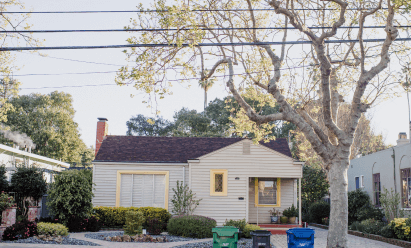
The exterior sets the tone before anyone walks inside. Fresh landscaping, trimmed hedges, healthy grass, mulch, pressure washing, and a clean walkway make a home feel cared for. A new front door color, updated house numbers, and better exterior lighting can also have a surprisingly strong impact for a relatively small cost.
This is one of the most reliable upgrades because it supports both online photos and in-person showings. If your home looks inviting from the street, buyers come in expecting a positive experience.
2. Refresh paint in the right places
Few updates are as cost-effective as paint. Neutral interior colors can make rooms feel larger, brighter, and more cohesive. They also help buyers picture their own furniture and style in the space.
The trade-off is that not every paint job adds value. Bold accent walls, trendy colors, or low-quality finishes can work against you. If resale is the goal, clean and understated almost always wins.
3. Update the kitchen without overbuilding
Kitchens sell homes, but that does not mean every kitchen needs a full custom remodel. In many cases, repainting cabinets, replacing outdated hardware, updating lighting, installing a new faucet, and choosing a clean backsplash can deliver a strong return without the cost of moving plumbing or rebuilding the entire layout.
If cabinets are in poor condition or the counters are badly dated, a deeper renovation may be worth considering. Still, the smartest kitchen investment depends on your neighborhood and price point. A beautifully renovated kitchen in line with local buyer expectations can help your home stand out. A luxury chef’s kitchen in a modest market may not return what you spend.
4. Modernize bathrooms
Bathrooms are another space where buyers quickly notice age and condition. Replacing old fixtures, refreshing vanities, regrouting tile, installing better mirrors, and improving lighting can make the room feel cleaner and newer without requiring a total gut renovation.
If there are visible signs of moisture damage, fix those first. Cosmetic updates only help when the underlying condition is sound. Buyers are especially cautious in bathrooms because small issues can suggest larger hidden problems.
The upgrades that support appraisal value
Some of the best improvements to raise home value are not glamorous, but they matter when buyers and appraisers assess the home as a whole.
5. Replace worn flooring
Old carpet, mismatched materials, cracked tile, or visibly damaged floors can pull down the feel of the entire home. Consistent flooring helps rooms feel more open and connected, while durable surfaces such as quality laminate, engineered wood, or tile often appeal to a broad range of buyers.
This is especially relevant in warm, high-traffic areas where buyers may prefer easy maintenance. The best choice depends on your market, but the main principle is simple: floors should look clean, current, and durable.
6. Address major systems and maintenance
A roof near the end of its life, an aging HVAC system, old water heater, or visible plumbing and electrical concerns can affect buyer confidence fast. These are not the fun upgrades homeowners like to post about, but they often protect value better than decorative projects.
If your budget is limited, catching up on deferred maintenance may be more valuable than installing a trendy finish. Buyers often stretch for a home that feels secure. They hesitate on homes that look like they will need immediate repairs.
In places like South Florida, storm readiness, roof condition, and efficient cooling systems can matter even more because climate and insurance concerns are part of the buying conversation.
7. Improve energy efficiency
Energy efficiency improvements can help value in two ways. First, they appeal to cost-conscious buyers who think about utility bills. Second, they signal a home has been updated thoughtfully.
This can include better insulation, a smart thermostat, updated windows where truly needed, weather sealing, LED lighting, and efficient appliances. It is worth being realistic here. Not every energy project delivers a high resale return on paper. But when paired with comfort and lower operating costs, these upgrades can still make a home more attractive.
Where homeowners often overspend
Not every improvement adds meaningful resale value. Some projects make a home more enjoyable to live in, which can still be worthwhile, but they should be viewed as lifestyle investments rather than profit-makers.
Swimming pools are a classic example. In some neighborhoods, they are expected and can help marketability. In others, they limit your buyer pool because of maintenance, safety concerns, or insurance costs. The same goes for highly customized built-ins, luxury specialty rooms, and expensive materials that are far above the area standard.
This is where local advice matters. A home should feel upgraded, not out of sync with the surrounding market. The best return usually comes from being one of the most appealing homes in your category, not the most expensive experiment on the block.
How to choose the best improvements to raise home value for your home
The right plan depends on your timeline, your home’s current condition, and who is most likely to buy it. A growing family may care deeply about a functional kitchen, storage, and a durable backyard. A relocating professional may focus more on move-in-ready finishes and low-maintenance systems. An investor may care about durability and rental appeal.
Start by asking three questions. What is visibly dated? What is visibly worn? What might make a buyer worry? Those answers usually point to the highest-priority work.
Then think in layers. First, fix anything that signals neglect. Next, improve the areas that shape first impressions. After that, spend on the rooms that influence offers most, especially kitchens, bathrooms, flooring, and exterior presentation.
If you are preparing to sell within the next year, it often helps to walk through your home as if you were seeing it for the first time online and then in person. Are the photos going to feel bright and current? Does the entrance feel welcoming? Is there anything that makes the home feel like a project instead of a fresh opportunity?
For homeowners across the Treasure Coast and nearby South Florida markets, this balance is especially important. Buyers are often comparing lifestyle, condition, insurance considerations, and monthly carrying costs all at once. The homes that perform best are usually the ones that feel updated without feeling overdone.
A thoughtful improvement plan does more than raise value on paper. It builds buyer trust, shortens hesitation, and helps your home make the kind of first impression that turns interest into action. If you focus on clean presentation, smart updates, and solid condition, you do not need to do everything. You just need to do the things that make the next buyer feel at home the moment they arrive.
0 Comments