



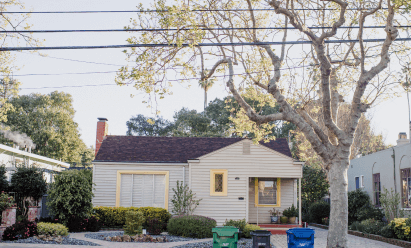





A yard sign can make selling a home look simple. Put it up, answer a few calls, show the property, and wait for the right offer. But when homeowners weigh agent vs for sale by owner, the real question is not just how to sell – it is how much time, risk, negotiation pressure, and follow-through they want to carry on their own.
For some sellers, going the for sale by owner route can work. For many others, especially families balancing work, school schedules, or a move to a new city, the support of an experienced agent is what protects both the sale price and the process. The right choice depends on your property, your local market, your confidence with paperwork and negotiation, and how much room you have for mistakes.
Agent vs for sale by owner: what changes in real life?
On paper, the difference seems obvious. With a real estate agent, you pay commission in exchange for pricing guidance, marketing, showings, negotiation, contract management, and help from listing to closing. With for sale by owner, you avoid listing-agent commission and keep direct control.
In real life, the gap is wider than that.
A good agent brings more than exposure. They help position the home before it hits the market, advise on repairs that matter and those that do not, coordinate photography, manage buyer expectations, and spot weak offers early. They also create distance between seller emotion and buyer strategy, which matters more than most homeowners expect.
A for sale by owner seller handles all of that personally. That can be manageable if the home is in a hot neighborhood, priced correctly, and the seller has strong market knowledge. It becomes much harder when pricing is uncertain, buyer feedback is mixed, or the transaction runs into appraisal issues, inspection negotiations, financing delays, or title questions.
The biggest reason sellers choose FSBO
The appeal is easy to understand. Homeowners want to save money.
If your home sells without a listing agent, you may keep more of the proceeds. For sellers with prior real estate experience or a buyer already lined up, that can be a practical move. Some owners also prefer full control over showing schedules, marketing decisions, and negotiation style.
That said, saving on commission is only a win if the home is priced right, marketed well, and managed carefully through closing. A lower-fee transaction that sells for less, sits too long, or falls apart in escrow can cost more than expected.
This is where sellers sometimes focus on the visible cost and miss the hidden one. Commission is easy to calculate. Missed pricing strategy, weak buyer screening, poor photography, limited exposure, and avoidable concessions are harder to measure, but they affect net proceeds just as much.
Where an agent often earns their value
The strongest argument for using an agent is not convenience alone. It is outcome.
Pricing is usually the first place that shows up. Many FSBO sellers either overprice because they are emotionally attached to the home or underprice because they want a quick sale without enough data. Neither is ideal. Overpricing can cause the home to sit and grow stale. Underpricing can leave money on the table in the first week.
An experienced agent looks at comparable sales, active competition, neighborhood timing, buyer demand, and condition-based adjustments. In active markets like parts of South Florida, even small pricing errors can change who shows up and what kind of offers you receive.
Marketing is another major difference. A homeowner may be able to post photos and share the listing, but professional presentation still matters. Buyers make quick judgments online. Strong listing photos, persuasive property descriptions, and a launch strategy that creates early interest can affect final value.
Then there is negotiation. Buyers are rarely just offering a price. They are negotiating timelines, inspection credits, appraisal gaps, closing costs, repairs, contingencies, and personal property. Sellers often expect the hard part to be finding a buyer. In many cases, the hard part is getting to the closing table with the deal still intact.
When for sale by owner can make sense
FSBO is not always the wrong move. There are situations where it can be a reasonable choice.
If you already have a serious buyer, understand local pricing, have access to a real estate attorney or transaction support, and feel comfortable handling calls, showings, and negotiations, selling on your own may work. The same may be true if the property is in a highly desirable area with very limited inventory and strong demand.
It can also make sense for sellers who have flexibility. If you are not under pressure to move quickly and are willing to test the market, adjust strategy, and spend time managing the process, you may feel comfortable taking that route.
The key is being honest about your skill set. Selling a home is part marketing, part finance, part customer service, and part legal process. Confidence helps, but competence matters more.
When an agent is usually the safer choice
If the home needs careful pricing, staging advice, repair strategy, or broad exposure, an agent is often the stronger option. The same goes for sellers navigating divorce, probate, relocation, inherited property, tenants, or a purchase and sale happening at the same time.
Families often benefit from representation because time is limited. Answering inquiries during the workday, preparing for last-minute showings, vetting buyer financing, and staying on top of deadlines can become a second job fast.
An agent is also valuable when emotions are high. A home is personal. Buyers can be blunt, negotiations can feel intrusive, and inspection requests can seem unfair. Having a professional buffer helps keep decisions grounded in the market instead of the moment.
For many sellers, that peace of mind is part of the value. Guidance is not just about paperwork. It is about moving through a major financial step with fewer surprises.
Agent vs for sale by owner on profit
This is the question almost everyone cares about most.
Will you actually make more money with an agent, even after commission?
Sometimes yes. Sometimes no. It depends on the home, the local demand, the agent’s skill, and how well the FSBO seller performs the same tasks independently. A strong agent can create enough additional value through pricing, marketing, and negotiation to more than offset their fee. A weak agent may not.
That is why the real comparison is not agent versus no cost. It is professional representation versus self-management.
A homeowner considering FSBO should ask a practical question: if I save the commission, can I also produce comparable marketing, screening, contract handling, and negotiating results? If the honest answer is no, the savings may not hold up.
On the other hand, if you are organized, informed, responsive, and selling a straightforward property in a high-demand area, FSBO can be financially reasonable.
Risk matters more than most sellers expect
The sale price gets the attention, but risk deserves equal weight.
Disclosures, deadlines, financing issues, appraisal problems, inspection disputes, and title concerns can all derail a sale. Even small mistakes can create delays or legal headaches. Sellers who go solo take on more direct responsibility for managing those details.
That does not mean FSBO is reckless. It means the margin for error is narrower when you do not have a professional guiding each step. A missed form, unclear disclosure, or poorly handled negotiation can become expensive quickly.
With an experienced agent, those risks do not disappear, but they are easier to anticipate and manage. The process becomes more structured, which is especially helpful for first-time sellers or anyone dealing with a tight timeline.
How to decide which path fits you
A useful way to decide is to stop thinking about the label and start thinking about capacity.
Do you have the time to market the home properly, take calls, schedule showings, follow up with buyers, review offers carefully, and stay organized through closing? Do you know how to price against nearby competition? Are you comfortable pushing back during inspection negotiations or evaluating financing strength beyond the offer number?
If those questions feel manageable, FSBO may be worth considering. If they feel stressful, an agent may be the better fit.
You should also consider your market. In fast-moving neighborhoods, mistakes happen fast. In slower markets, strategy matters even more because buyers have choices. Either way, the method that gives you the clearest plan and the strongest execution usually wins.
At Viva Nest Homes, that is how we look at it: not as a one-size-fits-all answer, but as a decision that should match the seller, the property, and the market conditions.
The better question is not which is cheaper
Agent vs for sale by owner is often framed as a cost debate, but that is too narrow. The better question is which option gives you the best combination of net return, manageable stress, and confidence from listing to closing.
Some homeowners truly can sell well on their own. Others are better served by expert guidance that protects their price and their time. Neither choice is automatically right. What matters is knowing what the process really asks of you before you commit.
If you are preparing to sell, choose the path that fits your goals and your bandwidth – not just the one that looks cheaper at first glance. The best sale is not just the one that closes. It is the one you feel good about long after the keys change hands.
0 Comments